

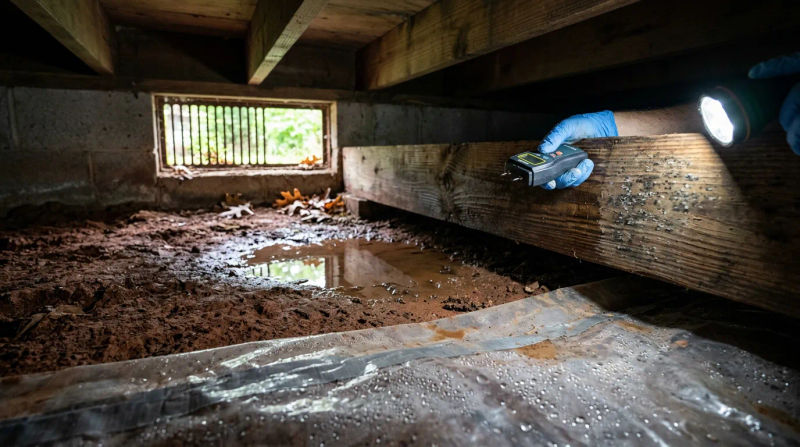
As a handyman here in the Sapulpa area for over 12 years, I know the rhythm of our seasons. August brings that intense, sticky heat, but it also brings powerful thunderstorms that can drop a lot of rain in a very short time. You might feel relieved once the storm passes and the sun comes out, but have you noticed a new, lingering smell inside your house? A sort of damp, earthy, or musty odor you can't quite place? Often, that smell is coming from a place you rarely look: your crawl space.
That out-of-sight, out-of-mind area beneath your floors is the first line of defense for your home's structure. When it gets wet and stays wet - especially in our humid Oklahoma climate - it can lead to a host of problems. Ignoring these early warnings can turn a small issue into a major, expensive repair down the road. Let's walk through what you should be looking for.
Common Signs and Symptoms
After a heavy August rain, it’s wise to do a quick check for signs of trouble. You don’t necessarily need to crawl all the way under your house just yet. Many of the first clues appear inside or around your home’s perimeter.
Here are the most common crawl space musty smell signs and other indicators of a water problem:
- A Persistent Musty Odor: This is the most frequent first alert. If you notice a damp, locker-room smell, particularly on the main floor of your home, it’s a strong sign that there’s excess moisture below. Air from the crawl space naturally rises into your living area (a process called the stack effect), carrying that smell with it.
- Visible Water or Mud: The most obvious sign is, of course, seeing standing water under house after rain. Even if the water has receded, you might see damp spots on the ground, on the foundation piers, or dark, muddy lines showing how high the water reached.
- Damp or Falling Insulation: Take a peek through your crawl space access door. Do you see insulation hanging down or looking wet and compressed? Wet insulation is not only ineffective, but it also acts like a sponge, holding moisture against your floor joists and subfloor, which accelerates rot.
- Efflorescence on Foundation Walls: This looks like a white, chalky, or crystalline deposit on the concrete or block walls of your crawl space. It’s caused by water seeping through the masonry, dissolving salts, and leaving them behind as it evaporates. It’s a clear sign of water intrusion.
- Peeling Paint or Blisters on Exterior Walls: If you see paint bubbling or peeling on the outside of your house near the ground, it could mean that the foundation and sill plate behind it are saturated with water from the crawl space.
- Spongy or Warped Hardwood Floors: If your floors feel unusually soft, bouncy, or are starting to cup or buckle, excess moisture from below is a likely culprit. The wood absorbs the humidity, causing it to swell and change shape.
- Increased Pest Activity: Unwanted critters like termites, camel crickets, and rodents are drawn to dark, damp environments. A sudden increase in their presence can be a secondary sign of a crawl space water problem.
What Causes This Problem
Finding water under your home can be alarming, but understanding the cause is the first step toward a real solution. In my experience, it’s rarely just one thing. Often, it's a combination of factors that allows our heavy Oklahoma rains to get the better of a home's defenses.
Here are the primary culprits I see in homes around Sapulpa and Sand Springs:
- Poor Grading and Landscaping: This is the number one cause. The ground around your foundation should slope away from the house, dropping at least six inches over the first ten feet. If the yard is flat or slopes inward, rainwater will pool against your foundation and eventually find a way into the crawl space.
- Clogged or Ineffective Gutters: Gutters are your home's primary water management system. When they are clogged with leaves and debris, rainwater overflows and dumps directly next to your foundation. A single overflowing gutter can saturate the soil and overwhelm your crawl space. Similarly, downspouts that discharge water right at the base of the house are just as bad.
- Foundation Cracks: Over time, foundations settle and can develop cracks. While small hairline cracks are often cosmetic, larger ones provide a direct pathway for groundwater to seep into the crawl space, especially during a downpour.
- Plumbing Leaks: A slow, dripping leak from a supply or drain line in the crawl space can create perpetually damp conditions. This is a common source of moisture that isn't related to the weather.
- High Humidity and Condensation: The humid crawl space mold risk Oklahoma homeowners face is significant. During our hot, muggy summers, warm, moist air entering the crawl space through vents can condense on cooler surfaces like ductwork, pipes, and the subfloor. This condensation drips down, creating a damp environment without a single drop of rain leaking in.
Many classic post-war Ranch homes from the 1950s, a common style in our area, were built with foundation systems that, after 70+ years, may have settled or have original drainage systems that are no longer effective. This makes them particularly vulnerable to issues with grading and water intrusion.
When to Call a Professional
Some moisture-related tasks are perfectly suited for a handy homeowner. For instance, cleaning your gutters and extending your downspouts are fantastic first steps that can make a huge difference. You can also assess your landscaping to see if you need to build up the soil around your foundation.
However, there are situations where calling for professional help is the safest and most effective choice. It's time to contact an experienced professional if you encounter any of the following:
- You see standing water. Pumping out a significant amount of standing water under house after rain is just the first step. A professional needs to identify the source of the leak to prevent it from happening again.
- You suspect mold. If you see dark staining on wood joists or smell a strong, pervasive musty odor, it's best to have it assessed. Some molds can be hazardous, and proper remediation is crucial. The humid crawl space mold risk Oklahoma residents face is real, and it’s not something to take lightly.
- The structural wood feels soft or damaged. If you can easily press a screwdriver into a floor joist or sill plate, it’s a sign of wood rot. This is a structural issue that needs immediate attention from someone who knows how to assess and repair the damage safely.
- You can't find the source of the water. If you've checked your gutters and grading and are still getting crawl space water, it’s time for an expert diagnosis. A professional has the experience to spot subtle clues, like hidden cracks or complex condensation issues, that are easy to miss.
Conclusion
Your crawl space is the foundation of your home’s health. What starts as a little dampness after an August storm can quickly escalate into wood rot, mold growth, and pest infestations, especially in our warm, humid climate. The key is to pay attention to the early warning signs - a musty smell, bouncy floors, or peeling exterior paint - and investigate them promptly.
By regularly checking your gutters, maintaining the slope of your yard, and taking a quick look into your crawl space after heavy rains, you can stay ahead of most problems. But if you find an issue that seems beyond a simple fix, don't hesitate to get a second opinion. Acting early is the best way to protect your home and your peace of mind.
If you notice any of these signs, contact a local Handyman professional for an inspection.